Low-Energy Houses
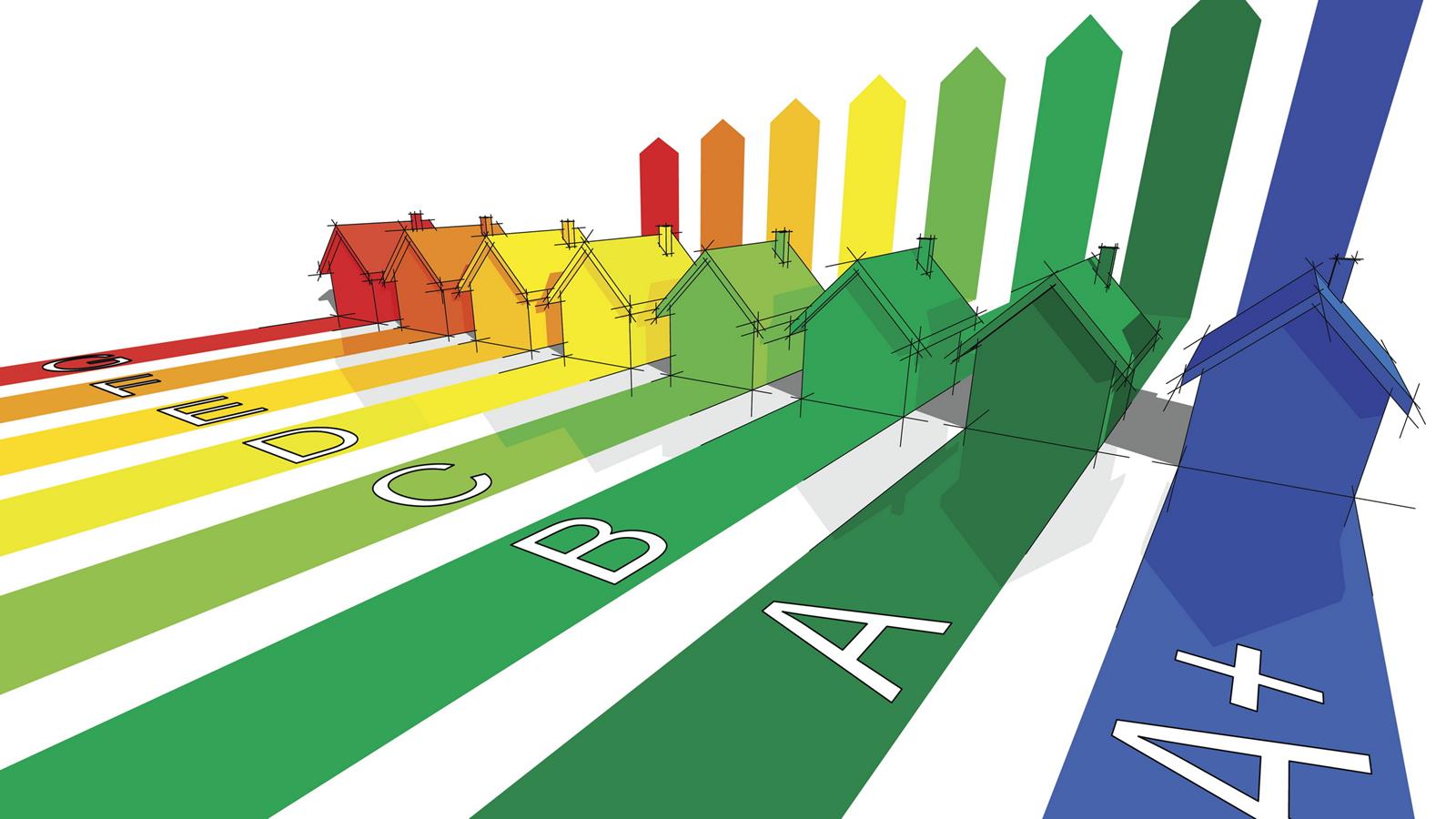
Nowadays, we are faced with ever-increasing energy prices and the limited availability of fossil fuels, so the demand for energy-efficient buildings is continuously growing.
Environmental awareness and the need to significantly reduce greenhouse gas emissions into the atmosphere are resulting in the growing construction of low-energy buildings.
Low-energy prefabricated houses are energy-efficient homes. They are examples of sustainable construction, from building materials whose production does not harm the environment to their energy efficiency and rational use of increasingly expensive energy sources.
The goal of building a low-energy house is to optimize energy consumption and make the most of available energy.
What is needed to build a low-energy house?
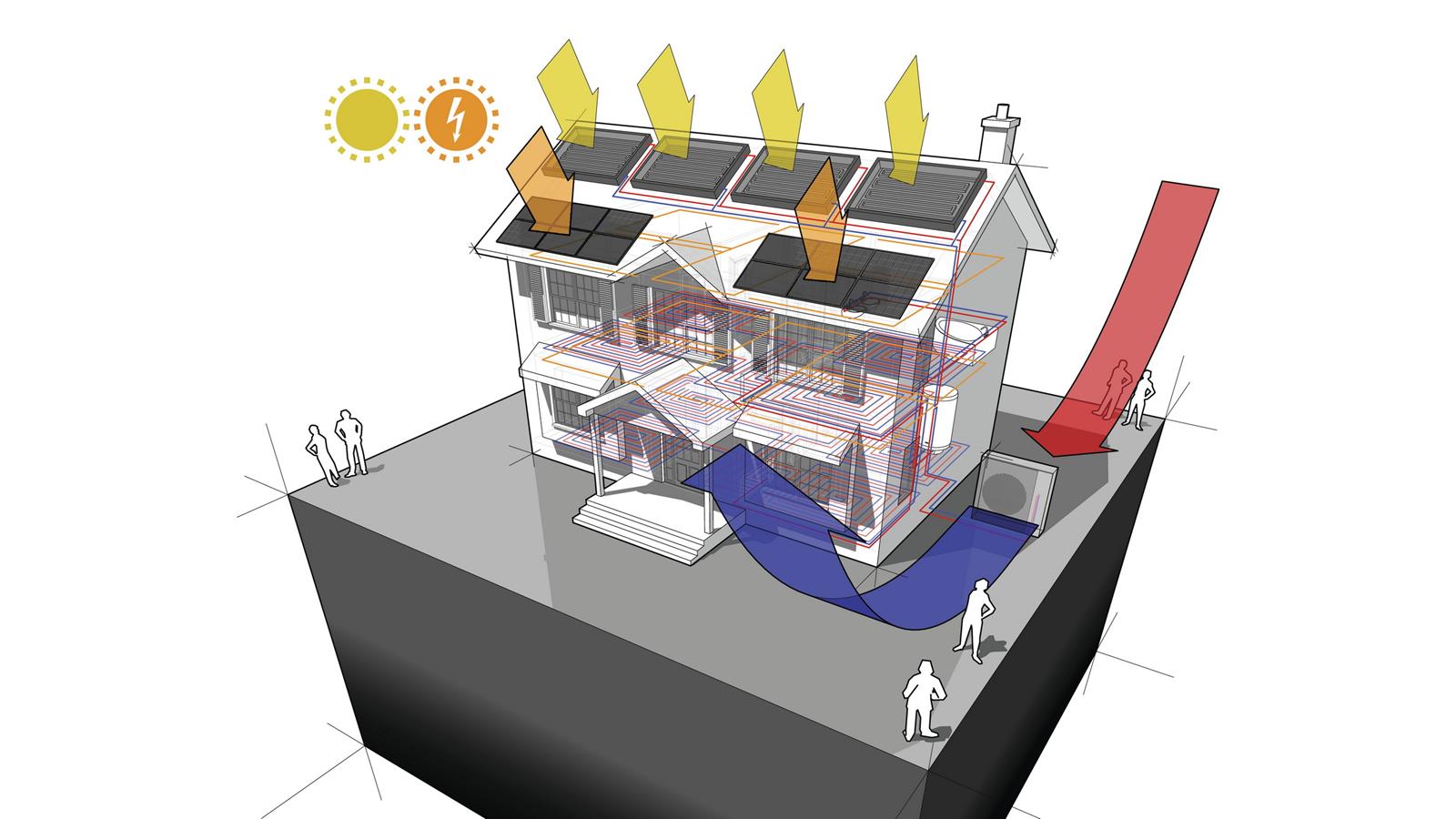
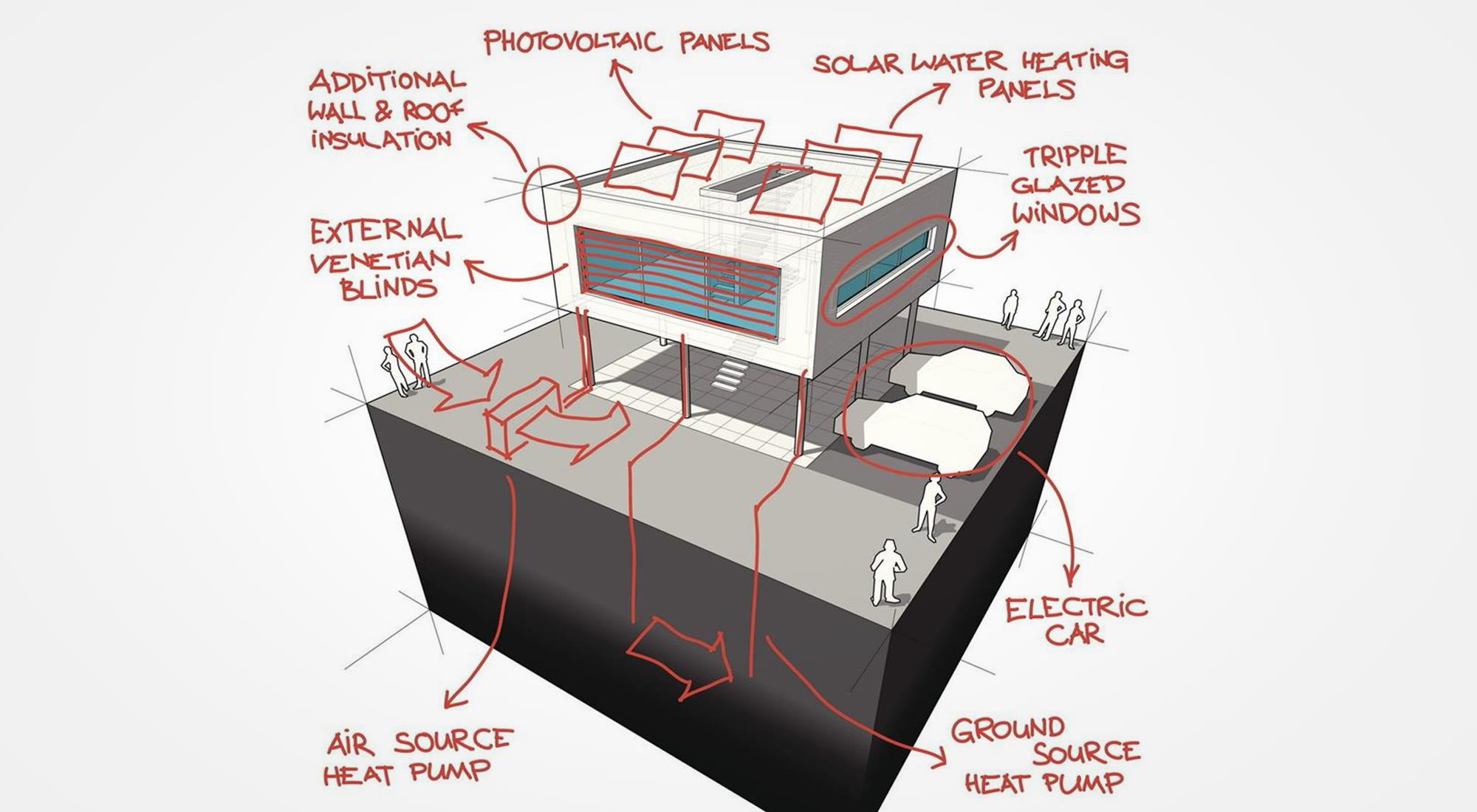
An energy-efficient house is based on a quality layer of insulation, high-quality windows and doors that prevent heat loss, an air circulation system that provides ventilation while also conserving energy, and the use of renewable energy sources.
Insufficient thermal insulation leads to increased heat loss in winter; the outer structure becomes cold, condensation damage occurs, and in summer the space overheats. The structure deteriorates, living conditions become uncomfortable and unhealthy, and the cost of using and maintaining the building increases.
Additional investment in improving energy efficiency and reducing heat loss in new construction is highly cost-effective. An increase in construction costs of 10% can result in energy savings of 50-80%.
By building a low-energy house, energy consumption is optimized.
SHARE